

How to Increase Stability in Soils?
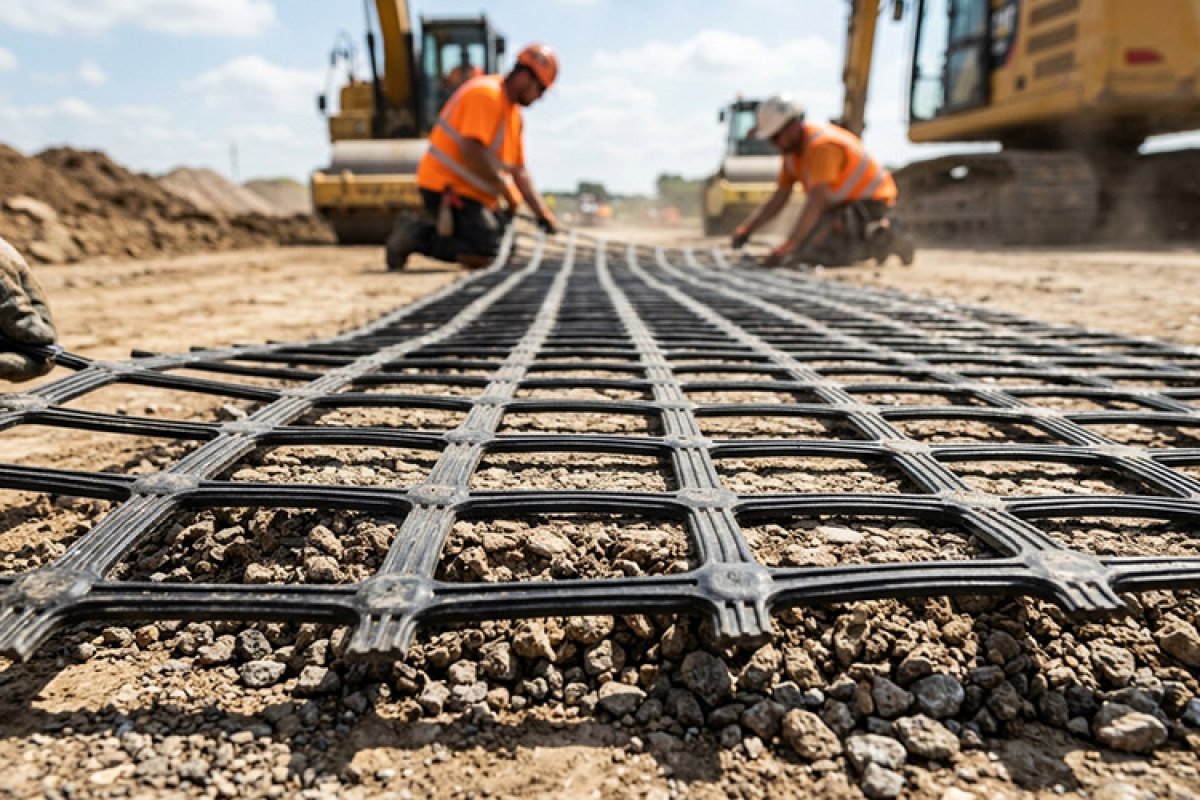
Light soils with low bearing capacity are among the most problematic areas in construction projects. Risks such as settlement, subsidence, and instability increase costs and shorten the lifespan of structures. One of the most effective methods used to ensure stability in these soils is geocell systems. In this article, we will examine step-by-step how to reinforce weak soils using geocell technology.
Soil Structure and Project Success in Geotechnical Engineering
The soil structure directly determines the success of a project in geotechnical engineering. Light soils include materials with low bearing capacity and high compressibility, such as peat, soft clay, and loose sand. Applying direct loads on these soils can cause serious deformations. Geocell technology offers a robust system designed to increase the bearing capacity of these soils, provide surface stability, and produce long-lasting solutions.
Load Distribution Principle Over a Wide Area
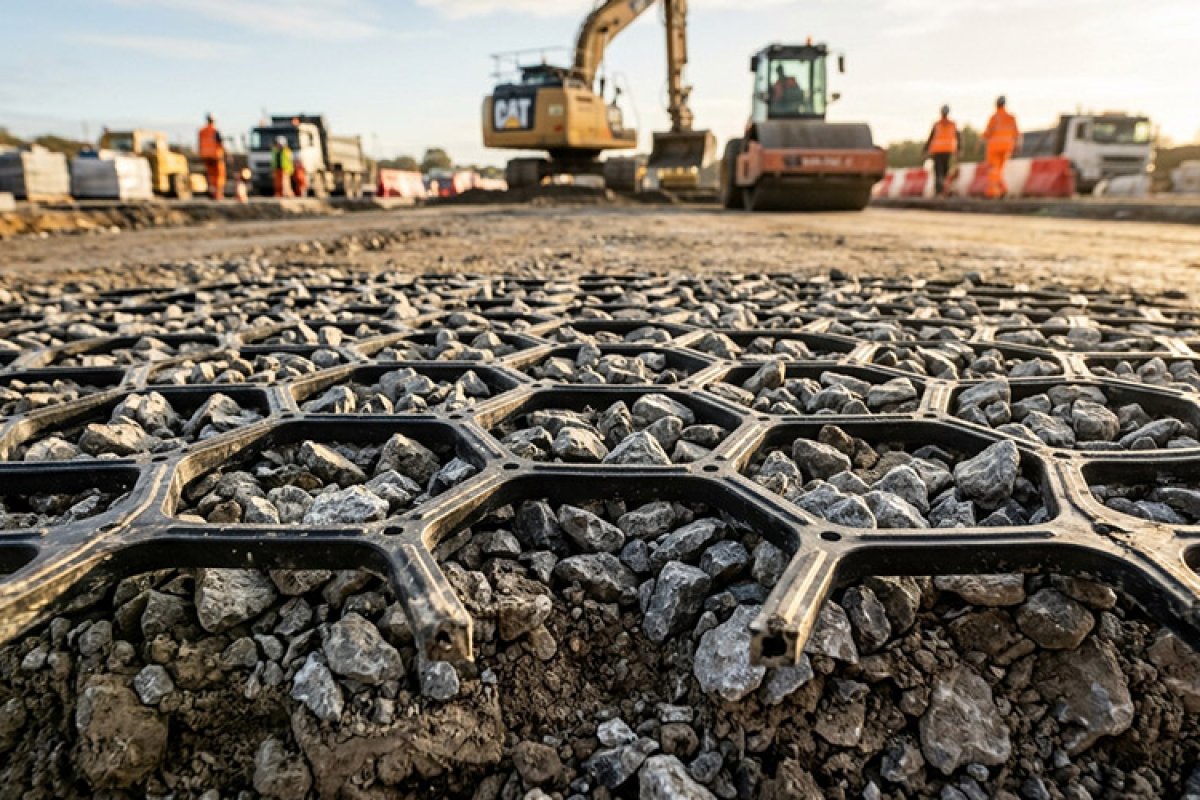
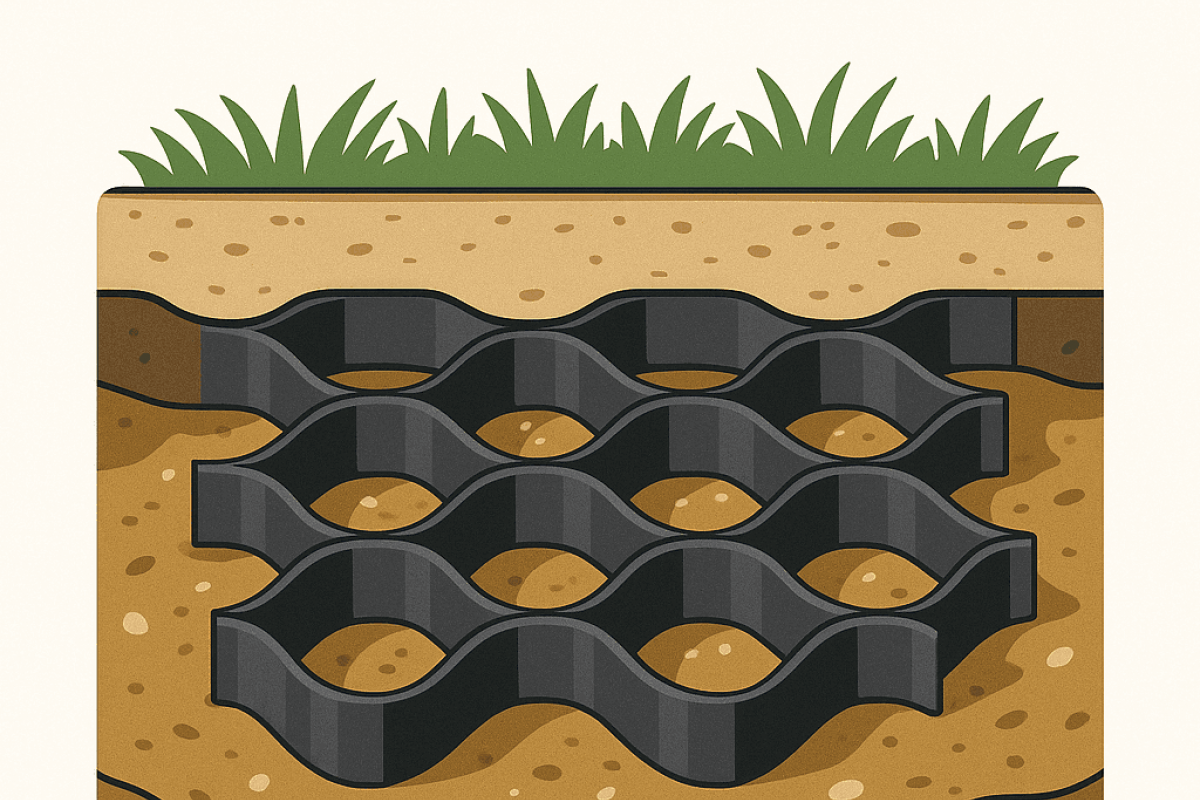
The fundamental principle of the geocell system is that the three-dimensional honeycomb structure distributes the load not only downward but also laterally. This allows the load on the soil to spread over a wider area through the cells. In weak soils, this distribution eliminates point loads and reduces the risk of settlement. This feature is especially advantageous in areas subject to dynamic loads such as vehicle roads, industrial sites, and container yards.
Additional Support Provided by Fill Material
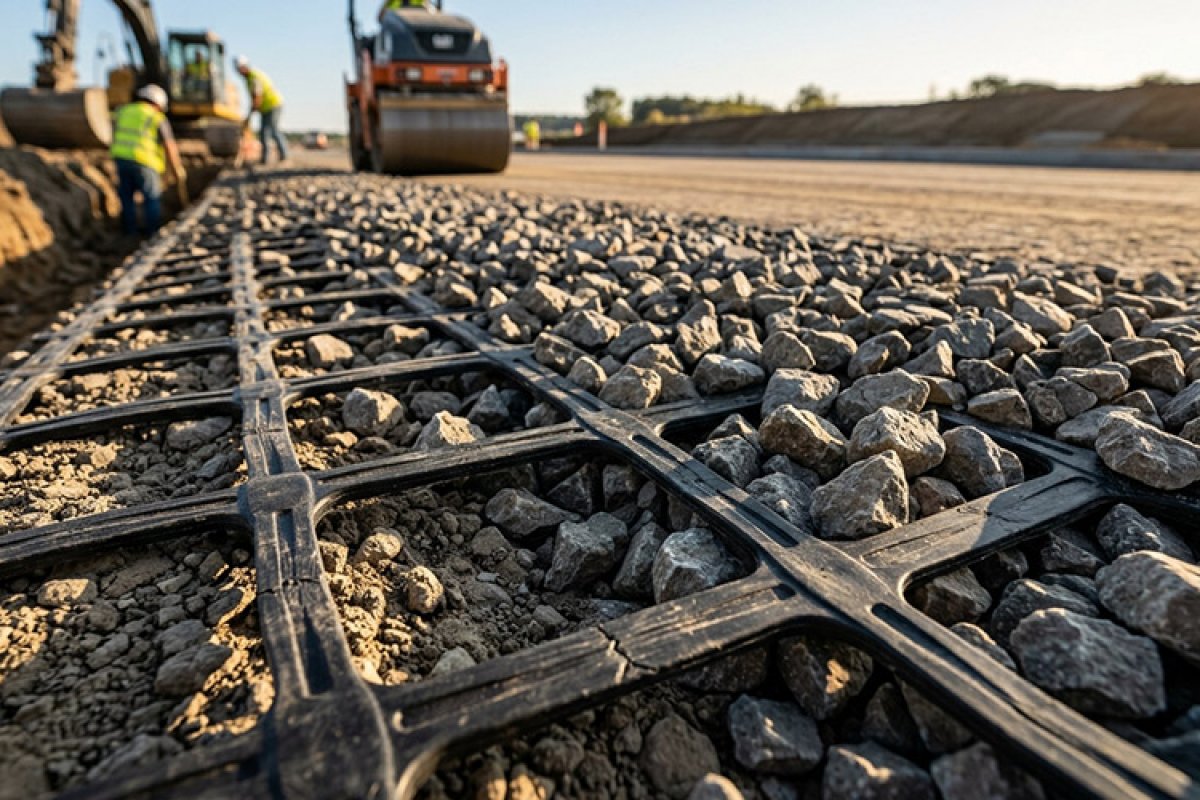
The fill material placed inside the geocell cells directly affects system performance. Typically, crushed stone, granular fill, or stabilized materials are preferred for light soils. When compacted, these materials help maintain the shape of the cells and create a strong layer working together with the soil. Additionally, the cell structure prevents the displacement of the fill material, ensuring long-term system stability.
Important Points in Soil Preparation
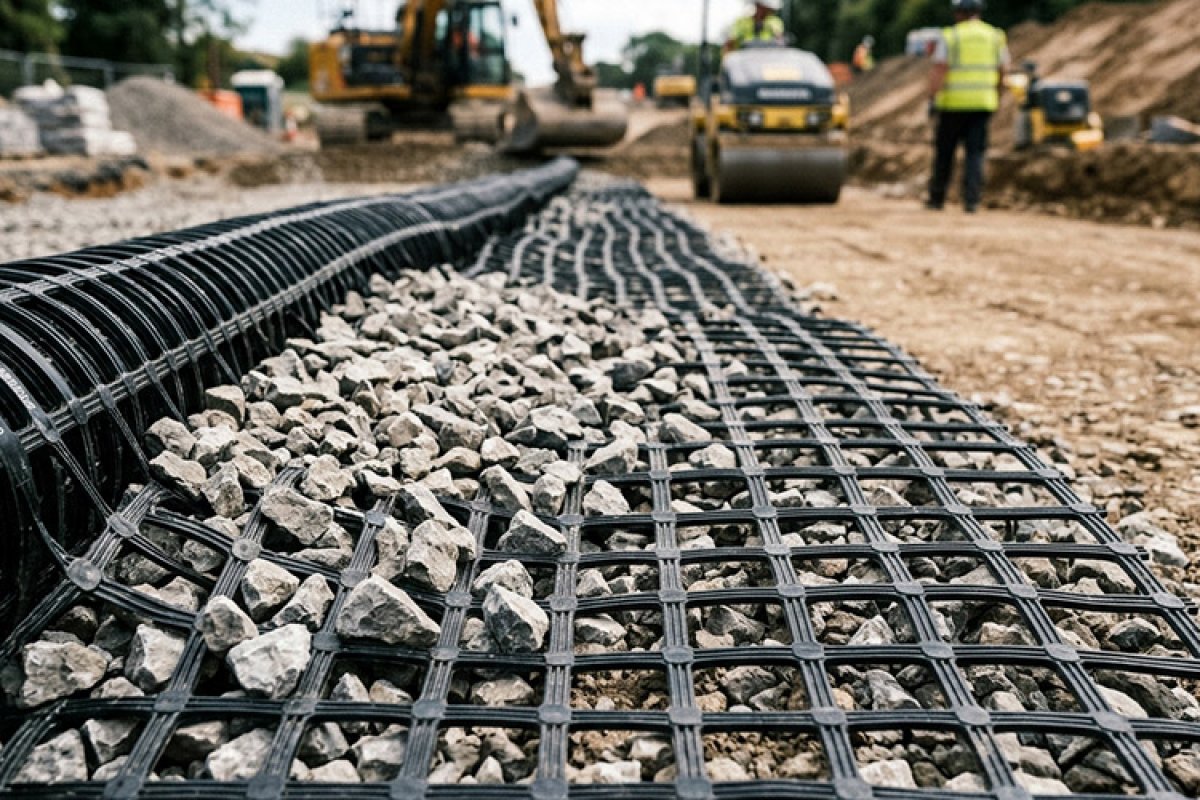
Surface preparation is critical in geocell applications on light soils. Loose and unstable top layers must first be excavated and removed, and a drainage layer should be created if necessary. A geotextile layer between the geocell and soil can improve permeability and filtration, enhancing the soil’s drainage capacity. When these steps are properly applied, the soil becomes both stable and resistant to water.
Reduces Settlement Problems Over Time in Weak Soils
Settlement can cause serious problems as projects progress. Light soils compress under load over time, causing surface subsidence. The geocell system distributes the load gradually rather than instantaneously, preventing sudden deformations. Its flexible structure maintains integrity even under loads applied over time, reducing risks like cracking or breaking.
Low-Cost, Long-Lasting Solution
Traditional methods to strengthen light soils are time-consuming and expensive. Solutions such as soil replacement, deep foundations, or piling require significant equipment and labor investment. Geocell stands out with its ease of application and cost advantages. It can be installed within a few days and requires minimal maintenance.
Wide Range of Applications
Geocell systems on weak soils can be safely used in highway embankments, railway foundations, port areas, container yards, construction site roads, parking lots, and pedestrian paths. It is also preferred for temporary structures due to its fast implementation.
Geocell: The Most Practical Way to Strengthen Weak Soils
Weak soils pose a significant risk factor in projects, but with proper application techniques, they can be made safe and durable. Offering stability, effective load distribution, and cost advantages, geocell is a game-changing system in soil engineering.