

Which Soil Types Are Geocell Systems Most Effective On?
When it Comes to Soil Stabilization, One Size Does Not Fit All
When it comes to soil stabilization, not every terrain has the same needs. Geocell systems perform differently depending on soil type, and when applied correctly, they can save both time and cost. In this article, we explore in detail which types of soils yield the most effective results with geocell applications.
In construction engineering and infrastructure projects, the properties of the soil directly affect the success of the materials used. Geocell systems stand out particularly in soil improvement and load distribution. However, not every type of soil performs equally well with these three-dimensional cellular systems. The soil's bearing capacity, permeability, and compressibility determine the success of the application. In this article, we will examine various soil types and give examples of where geocells perform at their best.
Load Distribution Advantage on Sandy Soils
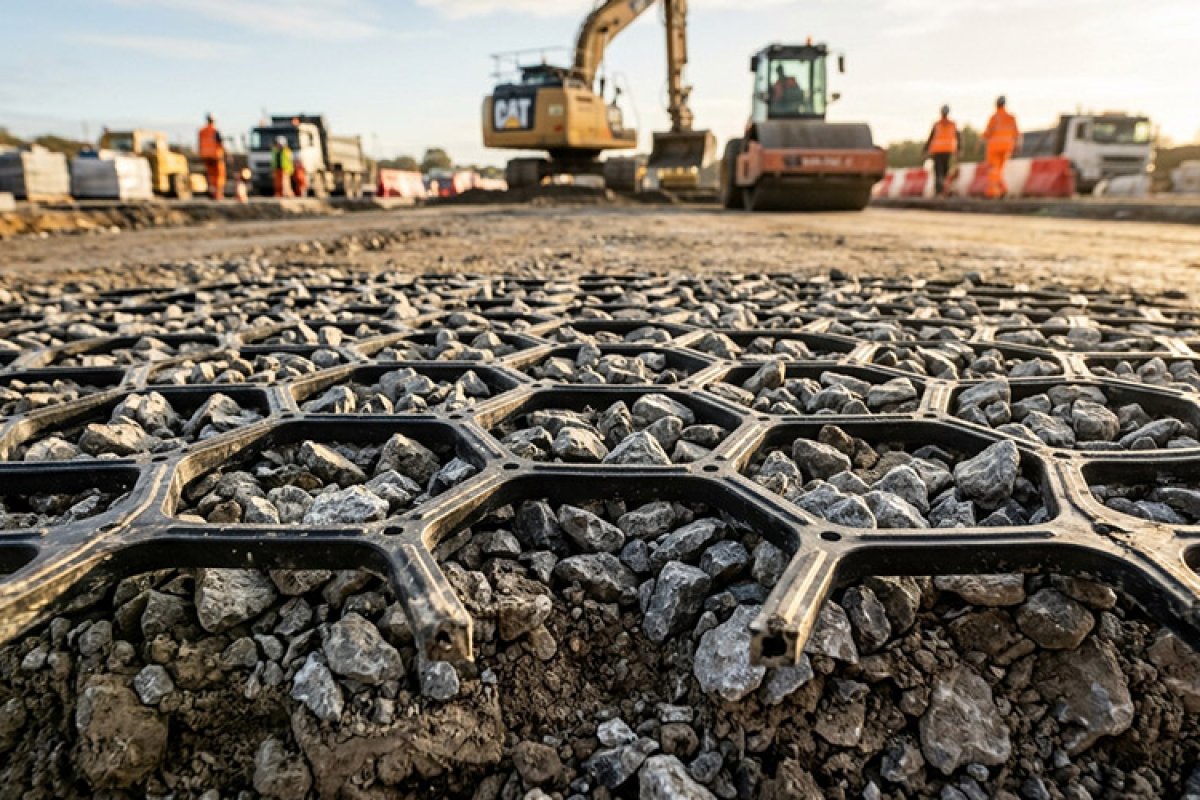
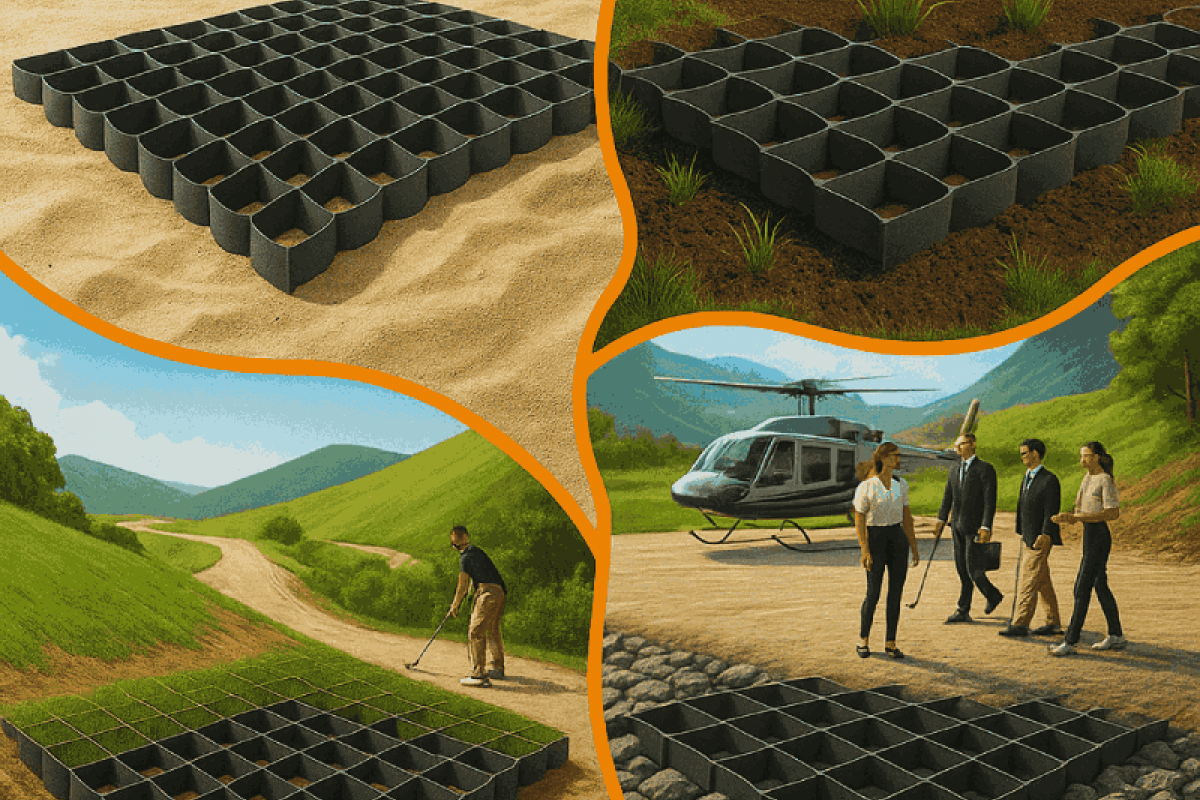
Sandy soils, due to their granular structure, allow water to pass through easily and are ideal in terms of drainage. However, their loose structure also poses a risk of settlement under load. This is where geocell systems come into play—distributing the load over a wide area and increasing the bearing capacity of the soil. Geocell panels laid on sandy ground help reduce the risk of surface deformation, especially in areas like parking lots, roads, and construction sites. When filled with compacted infill, the geocell cells prevent the sand from spreading and create a stable structure.
Stability on Soft and Organic Soils
Soft soils such as peat, clay, or mud contain a high amount of water and have low bearing capacities. Starting construction directly on such soils can lead to risky outcomes. Geocell application minimizes these risks. The cellular structure not only stabilizes the surface but also allows for even load distribution. Using geocells under foundations on weak soils can prevent settlement and extend the lifespan of the structure.
Erosion Control on Sloped Terrain
One of the most common areas where geocell systems are used is sloped terrain. These areas often face issues such as soil movement and surface erosion, especially after rainfall. Geocells hold the soil in place and, when combined with vegetation, form a natural barrier. By filling the cells with stone, soil, or grass on sloped surfaces, a functional and aesthetically pleasing solution is achieved. This method is effective on roadside embankments, stream banks, and earth slopes.
Limited Performance on Rocky or Hard Soils
Rocky soils usually have high bearing capacity, so geocell applications may not always be necessary. In these cases, geocells are more commonly used for surface erosion control or landscaping. However, installing the cells properly can be challenging due to uneven surfaces. If proper surface preparation is skipped, the geocell system may have a reduced lifespan. Therefore, careful evaluation is necessary before applying geocells on such terrains.
Drainage Is Essential for Water-Saturated Soils
In areas with a high groundwater level, it is essential to install a drainage system before applying geocells. Otherwise, the infill within the cells may be washed away over time, causing the system to lose stability. For optimal performance, thorough soil preparation is crucial. A soil investigation should be conducted prior to installation, and drainage pipes should be placed if needed.
Proper Application According to Soil Type Is Critical
The success of geocell systems largely depends on matching the correct application method to the soil type. Sandy, soft, sloped, or water-saturated soils each come with their own requirements. To benefit from the long-term advantages geocells offer, a thorough soil analysis should be performed before the project, and application details should be shaped accordingly.