

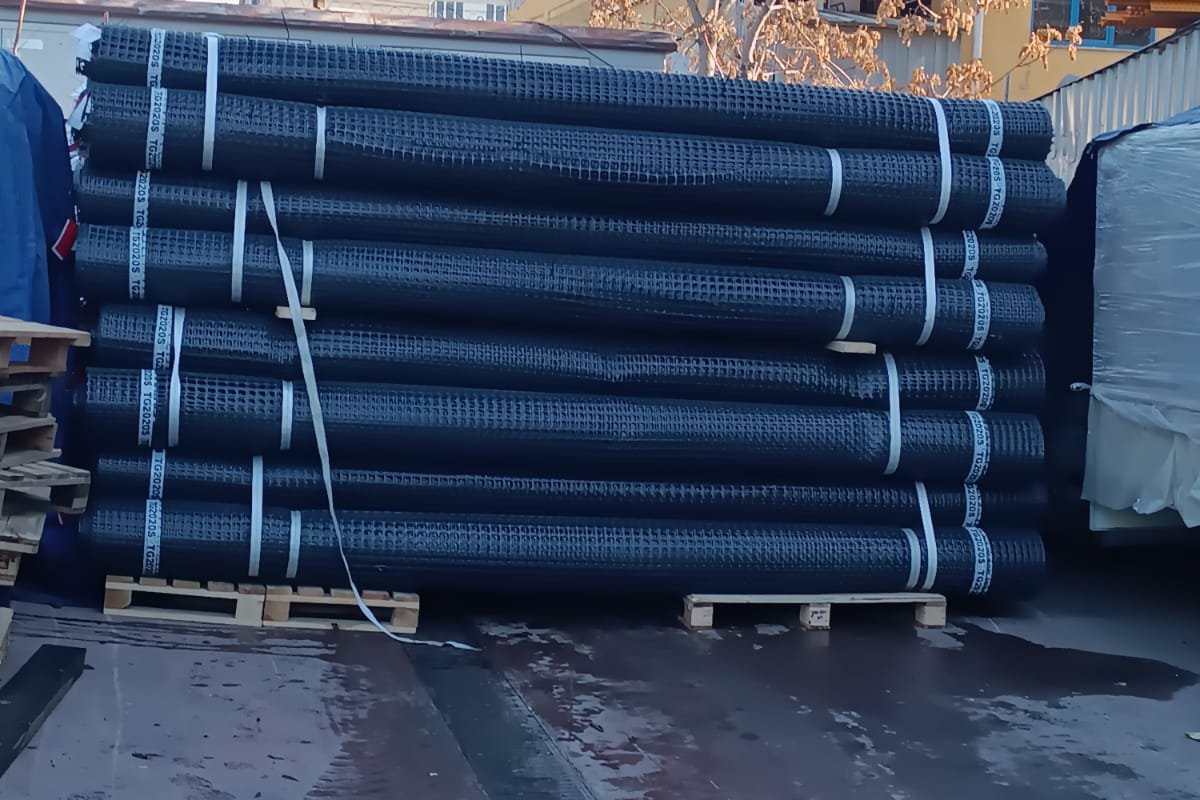
What is Geogrid?
Sure! Here’s the English translation of your text:
Innovative Geogrid Solutions in Modern Construction and Infrastructure Projects
Nowadays, one of the innovative materials used for soil improvement and stability in construction and infrastructure projects is the geogrid. But what exactly is a geogrid, and why is it so important? In this article, you will find many details—from the definition of geogrid to its areas of application.
Definition and Characteristics of Geogrid
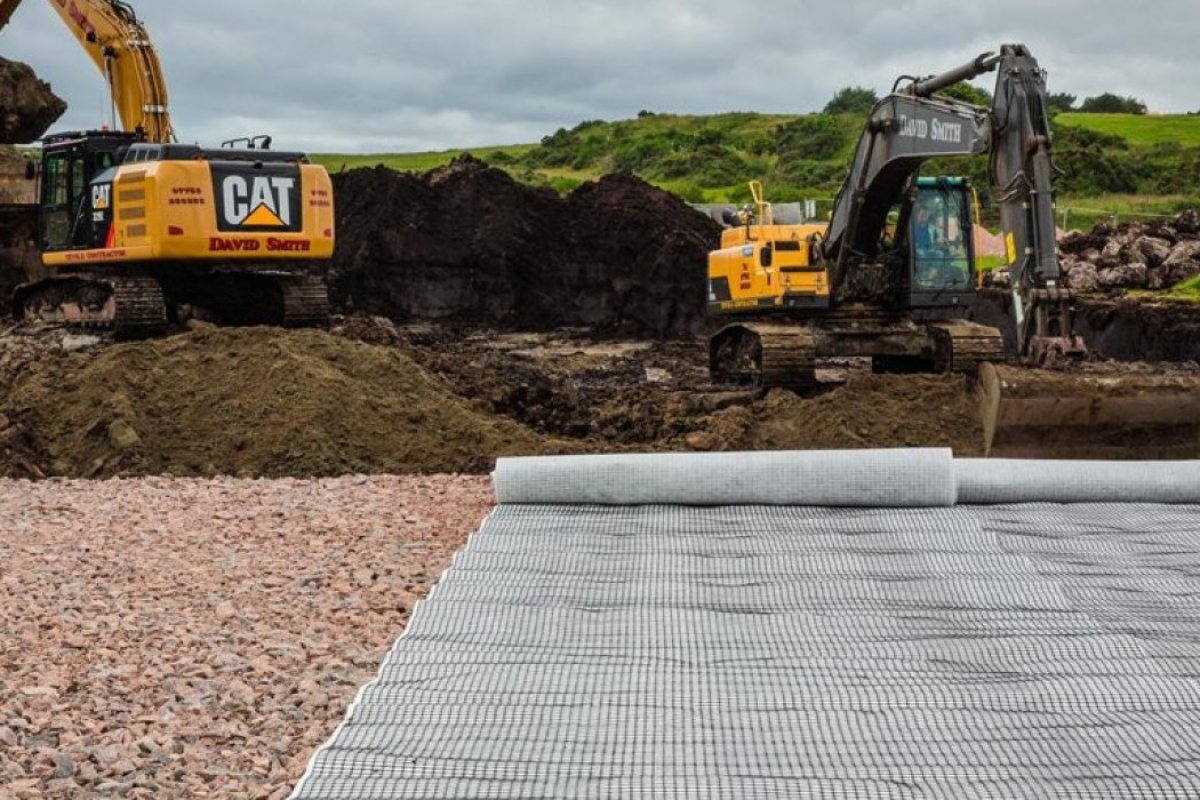
A geogrid is a geosynthetic product typically made from polymer-based, woven materials that integrate with the soil to provide mechanical stability. This material performs many critical functions such as preventing cracks, reducing deformation, and increasing load-bearing capacity.
Key features of geogrids include:
-
High Strength: Thanks to its special woven structure, it balances load distribution by bonding with the soil.
-
Durability: Resistant to chemical and environmental effects, ensuring long-lasting use.
-
Flexibility: Adapts to soil movements, minimizing crack formation and deformation.
Manufacturing Process and Types
Geogrids are generally produced from materials like polypropylene, polyester, or polyethylene. The manufacturing process involves injection molding or extrusion techniques. The final product has a specific woven pattern that enables it to work integrally with the soil.
Types:
-
Uniaxial Geogrid: Made from polyester, offers high tensile strength in one direction. Commonly preferred in road and bridge foundations.
-
Biaxial Geogrid: Made from polypropylene or polyester, provides equal strength in both longitudinal and transverse directions, making it suitable for a wide range of applications.
Areas of Application
Geogrids are widely used in the construction sector in areas such as:
-
Soil Reinforcement: To increase ground strength in roads, railways, and airport runways.
-
Foundation Improvement: Plays a crucial role in soil stabilization during pre-construction soil preparation.
-
Erosion Control: Effective in preventing erosion on steep slopes and coastal areas.
Thanks to these applications, geogrids stand out as a material that enhances project safety both economically and structurally.
Why Choose Geogrid?
-
Cost Efficiency: Its durable and long-lasting nature reduces maintenance costs.
-
Eco-Friendly: Promotes more efficient use of natural resources and offers an environmentally friendly approach.
-
Ease of Application: Simplifies construction processes and shortens labor time.
Conclusion
Geogrid is an economical and environmentally conscious solution that increases the durability of buildings and infrastructure in modern construction projects. Its advantages in critical areas such as soil improvement, foundation strengthening, and erosion control make it a preferred choice. If you’re looking for a longer-lasting and more reliable structural solution for your project, gaining detailed knowledge about geogrid usage will be highly beneficial.