

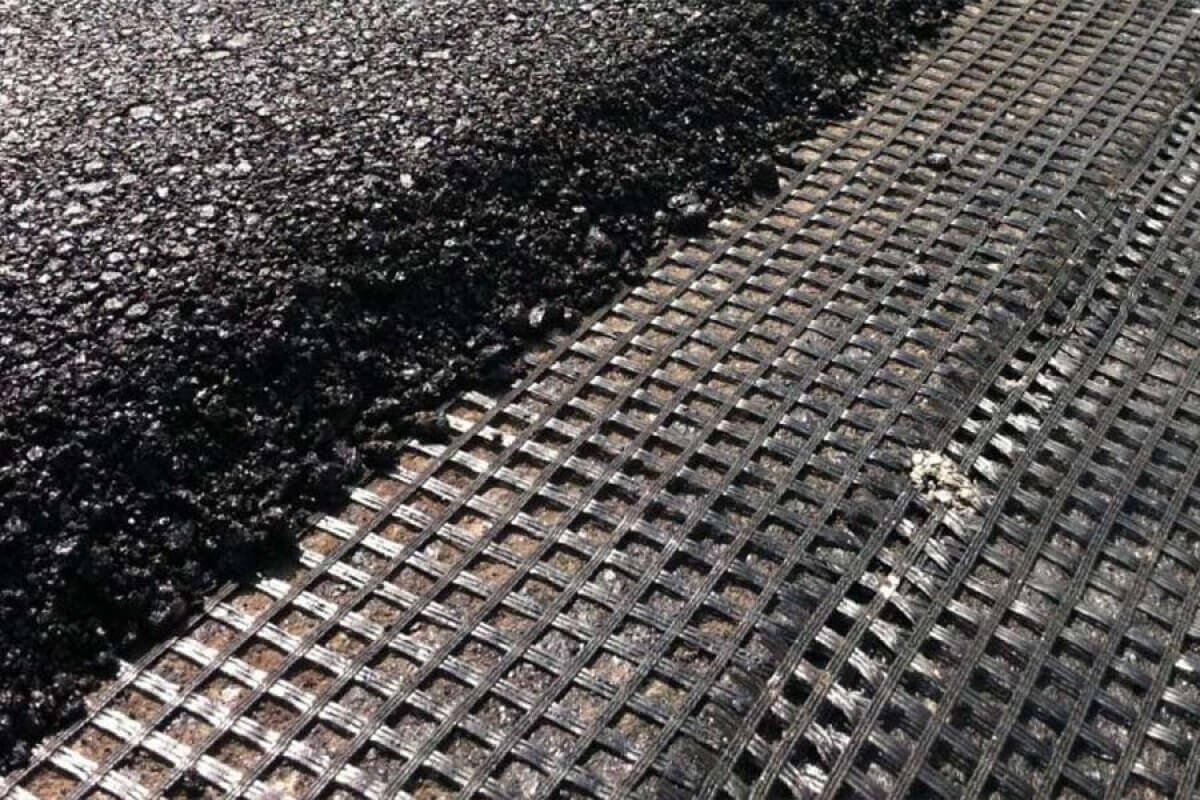
5 Practical Ways to Increase Soil Strength with Geogrid
In infrastructure projects, the soil is the primary load-bearing element. Therefore, the strength of the soil forms the foundation of the project's success. However, soil conditions do not always provide the desired strength. This is where geogrid systems come into play by increasing the soil's load-bearing capacity, reducing deformation risk, and contributing to the structure's longevity. In this article, we will step-by-step discuss 5 practical ways to increase soil strength using geogrid.
1. Choose the Right Type of Geogrid
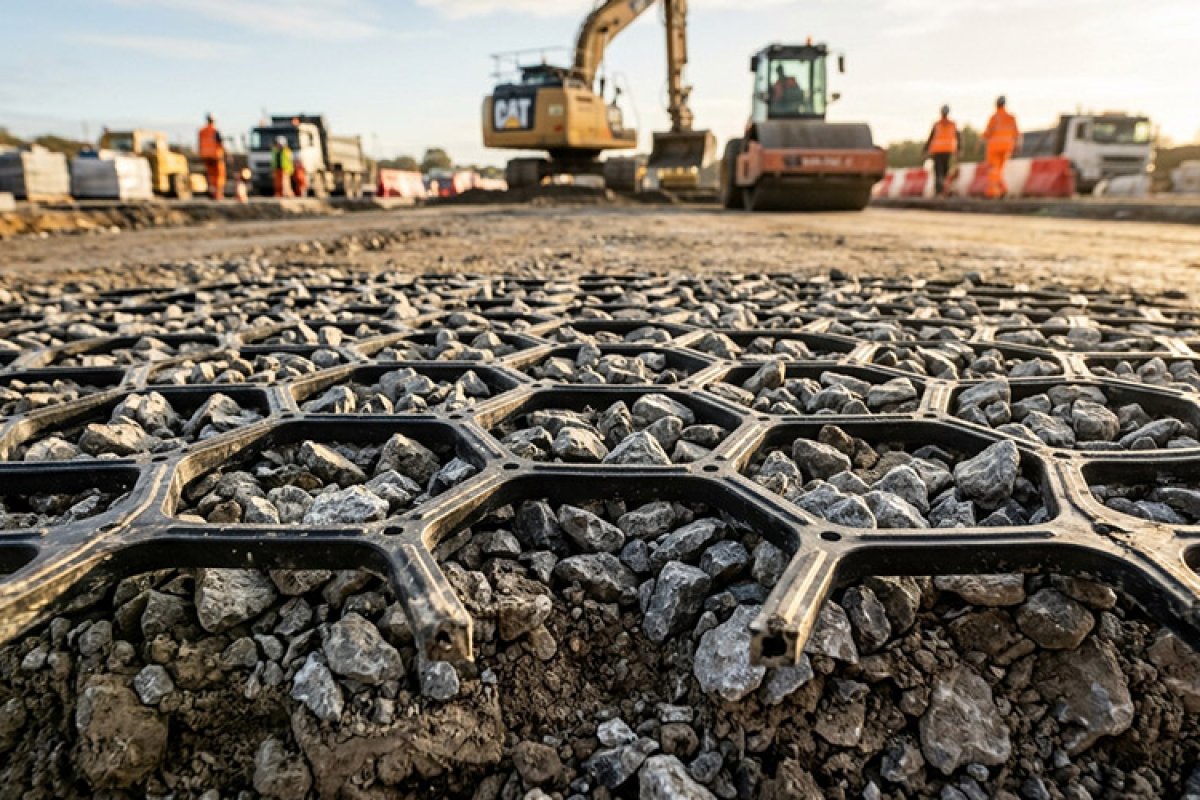
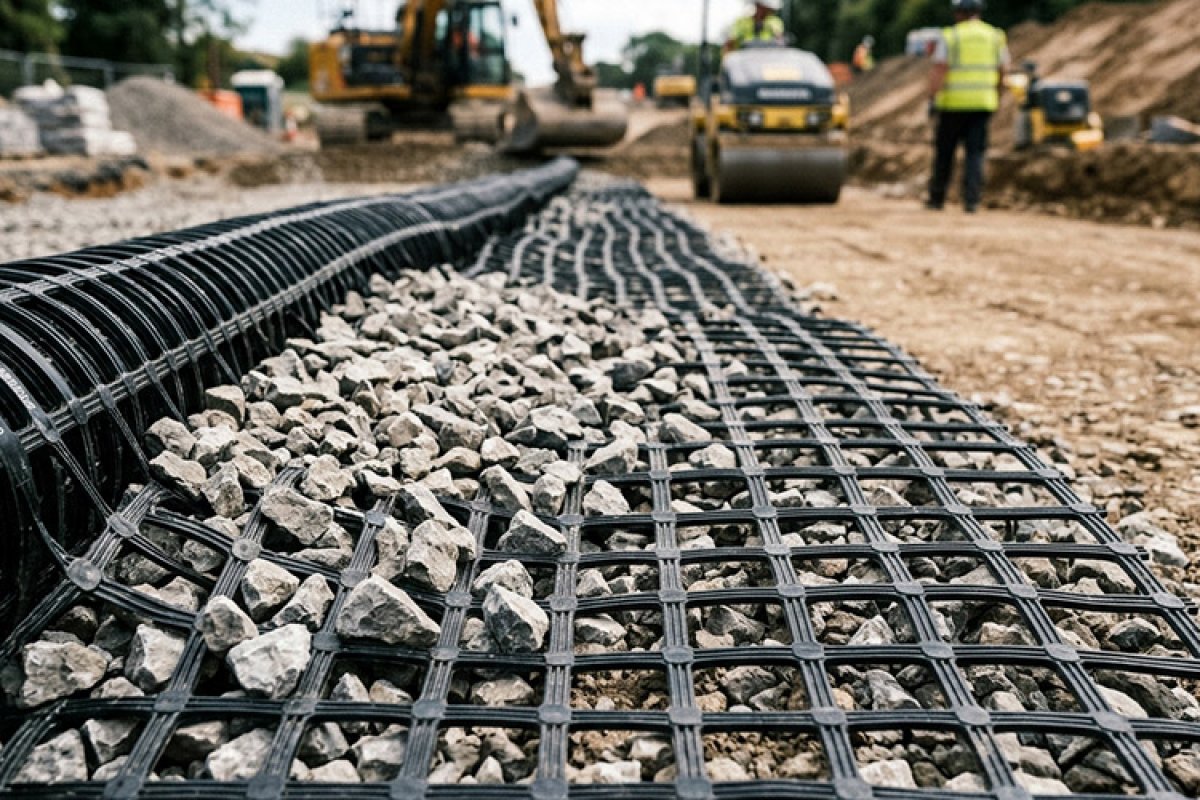
Every project has different soil characteristics, and a single type of geogrid solution may not provide the same efficiency in every case. When selecting between uniaxial, biaxial, or triaxial geogrid types, soil structure, load type, and project purpose must be considered. The wrong choice can reduce the expected performance.
2. Don’t Neglect Surface Preparation
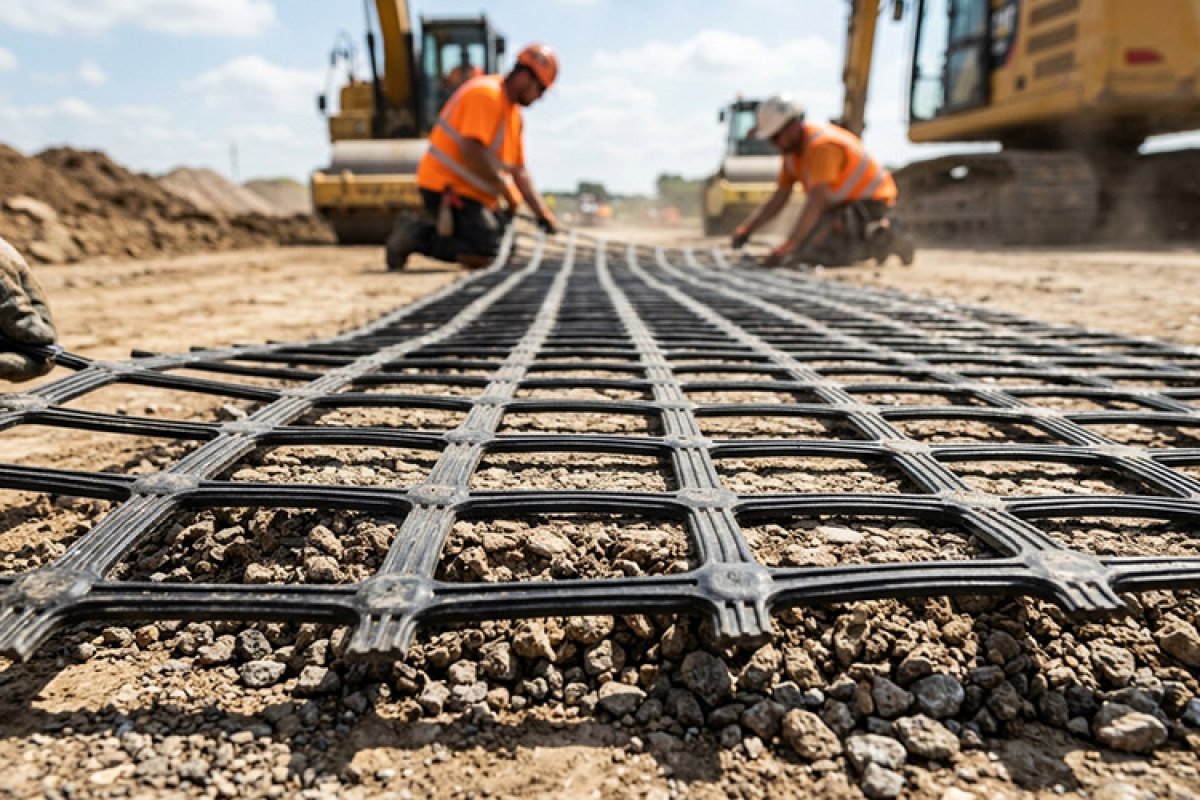
In geogrid applications, the surface must be clean, even, and free of loose materials. Leveling the application area and performing soil improvement work if necessary helps the geogrid function more effectively.
3. Utilize Layered Application Technique
For projects requiring high load capacity, applying geogrid layers at multiple levels increases efficiency. Layered systems help distribute loads more evenly on the soil and minimize settlement.
4. Control Tension During Installation
Leaving the geogrid loose can lead to settlement and strength loss over time. Proper tension adjustment during installation ensures that loads are transmitted evenly to the geogrid fibers.
5. Use Appropriate Infill Material
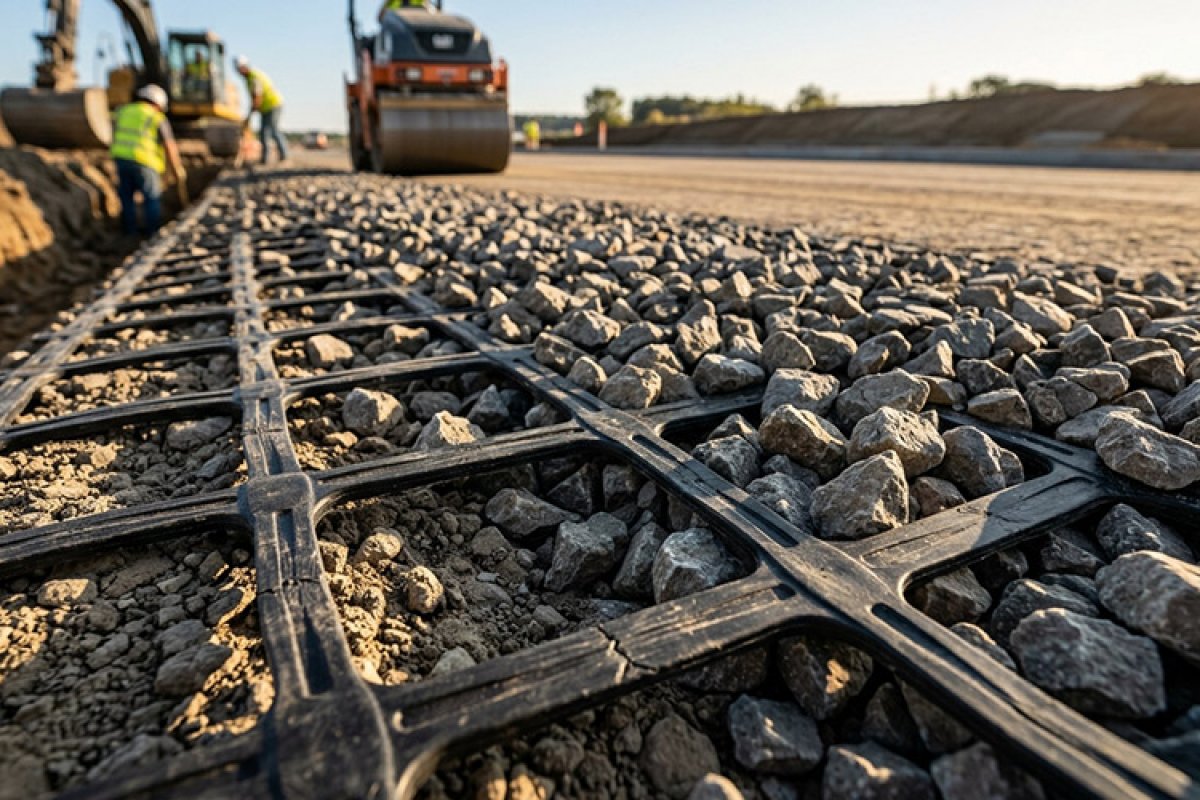
The infill material placed between the geogrid and soil directly affects durability. Properly graded, well-compacted infill material extends the lifespan and improves the performance of the geogrid system.