

7 Important Points to Consider When Using Geocell
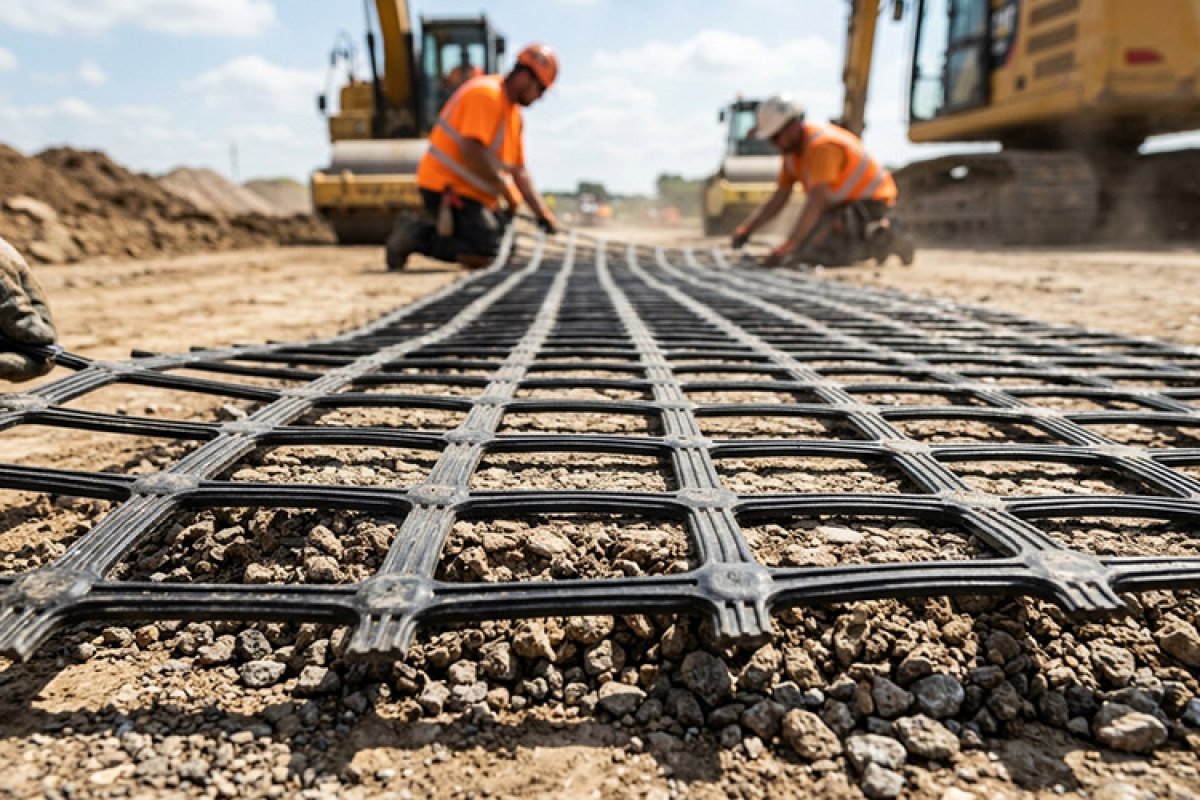
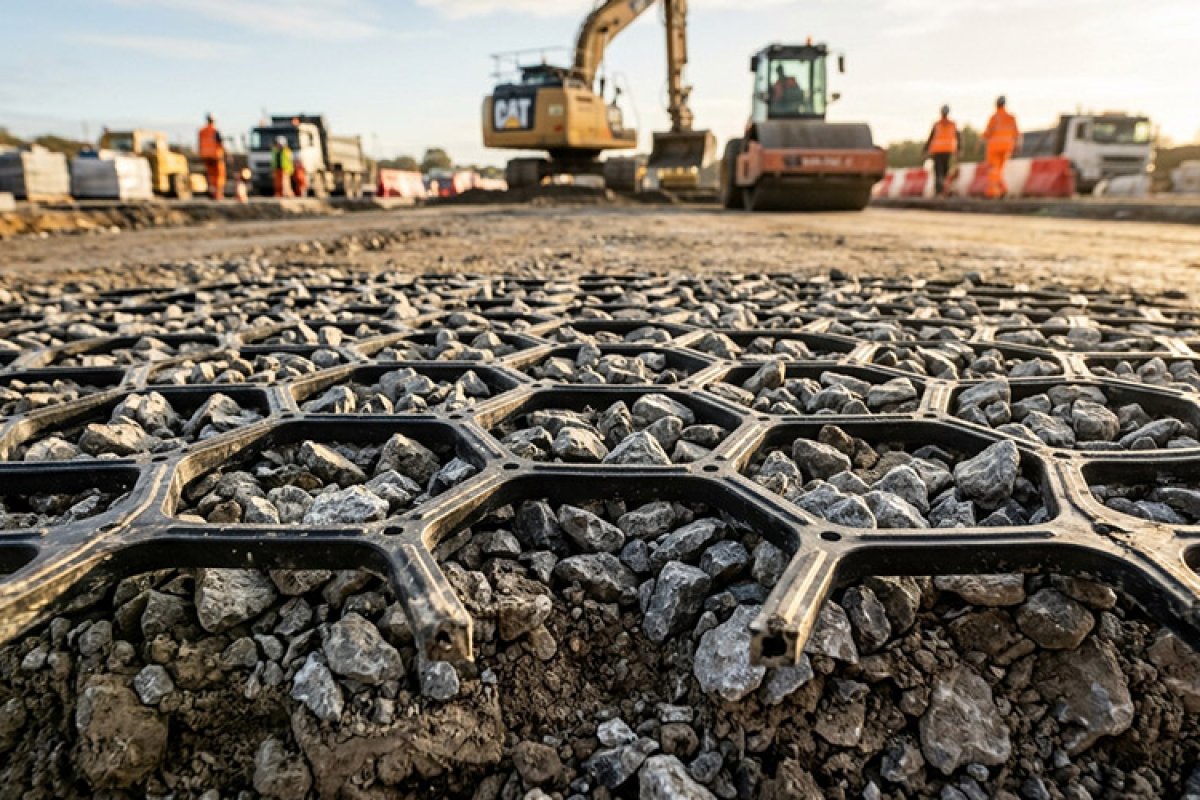
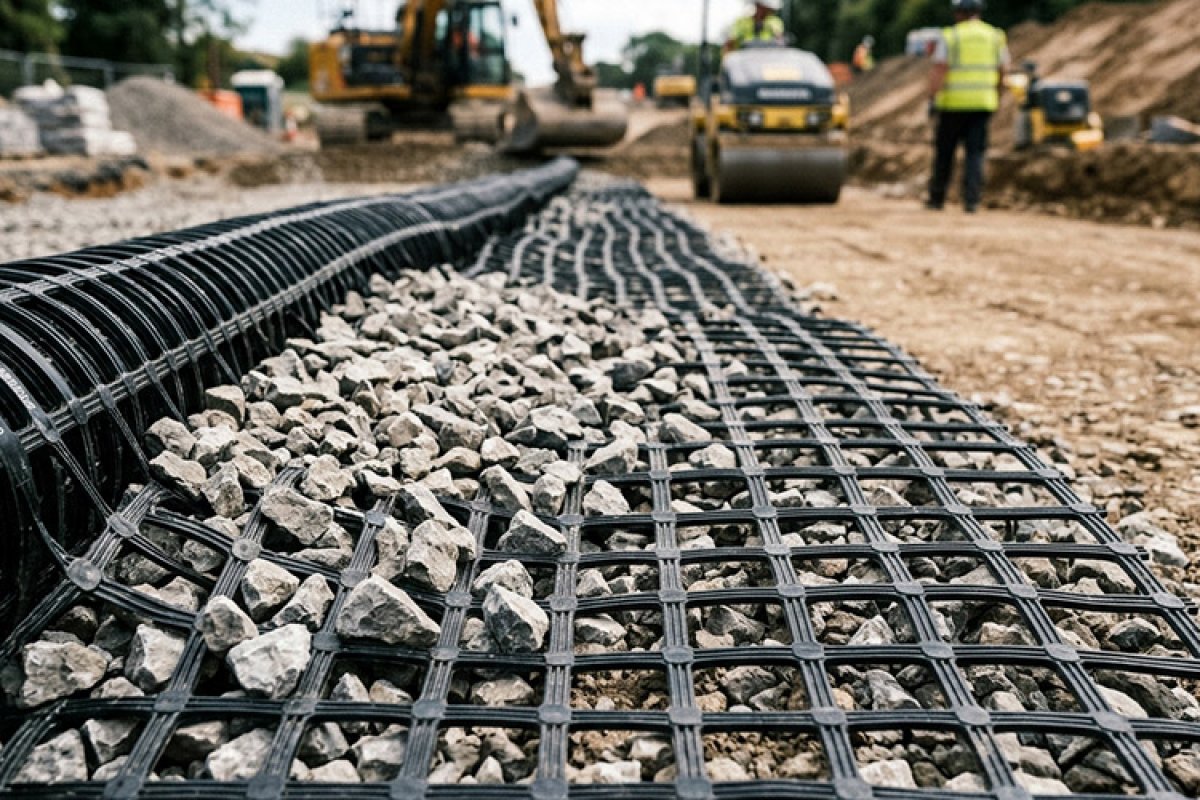
Geocell technology creates a strong support system on the ground thanks to its cellular structure. It has a wide range of applications, including road embankments, slope stabilization, coastal protection projects, and even landscaping. However, if not applied correctly, it may fall short of the expected performance. In this article, we will examine 7 important points to consider in geocell applications in detail.
1. Accurately Analyze Project Requirements
Each project has different soil conditions and load demands. When selecting a geocell, the load it will bear, the environmental factors it will be exposed to, and its intended use must be clearly identified.
2. Prepare the Surface Properly
Before placing the geocell, the application surface must be smooth, free of loose materials, and compacted if necessary. This step directly affects the system’s lifespan and performance.
3. Choose the Appropriate Cell Depth
Geocells come in different cell depths. The depth selection should be made according to the project load, soil type, and intended use. Incorrect selection can cause negative outcomes in terms of both cost and durability.
4. Pay Attention to the Quality of Infill Material
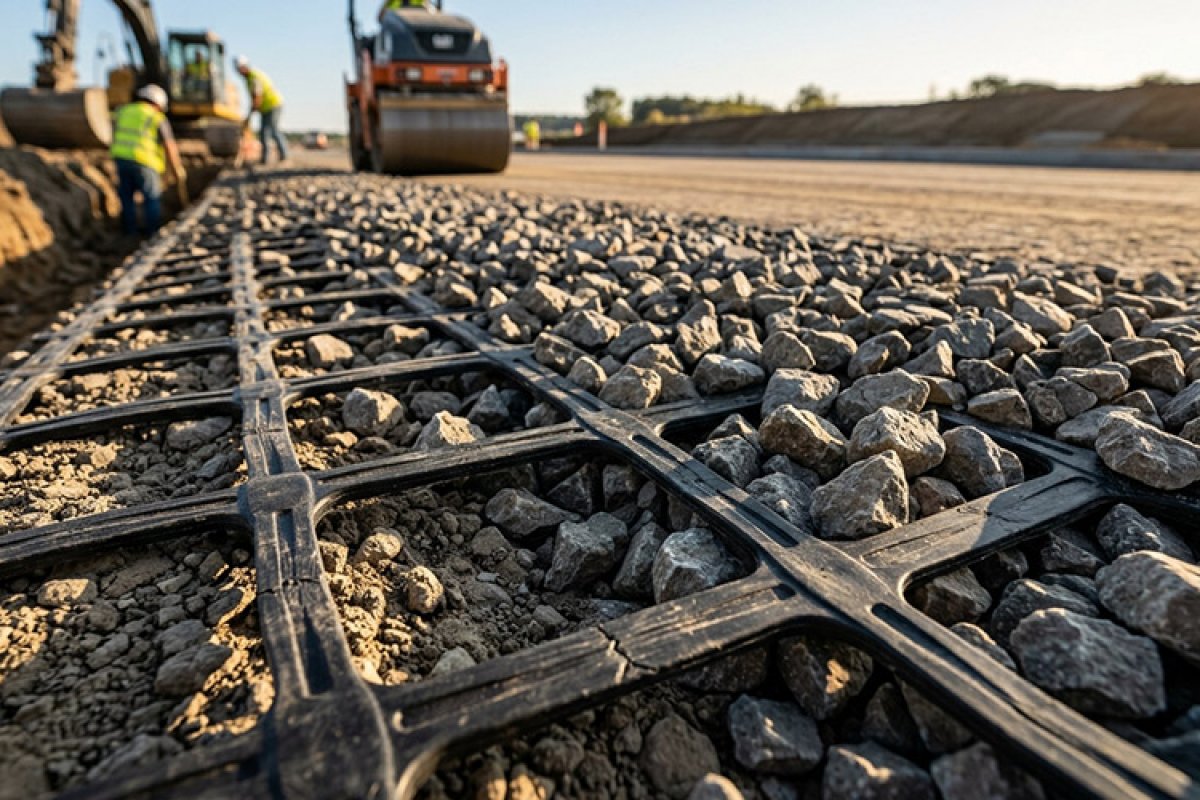
The material used to fill the cells plays a critical role in the system’s strength. Properly graded, well-compacted, and suitable infill material should be used.
5. Reinforce Connection Points
The joints where geocell panels are connected can be weak points in the system. This risk should be eliminated by using durable connectors and correct installation techniques.
6. Do Not Neglect Compaction
After placing the infill material into the cells, compaction must be performed. Insufficient compaction can cause deformation under load.
7. Take Precautions Against Environmental Factors
The area where the geocell is used may be exposed to rain, frost, sunlight, and other elements. Before starting the project, these factors should be considered and the appropriate materials selected.