

How Is Erosion Control Achieved Using Geocells?
Landslides, surface erosion, and vegetation loss... These common problems on sloped terrains or exposed soil surfaces are often the result of erosion. Geocell systems offer strong and long-lasting solutions to these challenges. In this article, we explain the methods for achieving erosion control using geocells and the benefits they provide.
Erosion: A Threat Beyond Agriculture
Erosion is not only a threat to agricultural productivity but also a serious issue for infrastructure investments and environmental balance. Especially on slopes or soil surfaces exposed to water, wind and water movement displace soil particles. Over time, this disrupts surface stability, destroys vegetation, and leads to subsidence in infrastructure projects. Geocell systems stop these processes by holding the soil in place with their 3D structure and preserving the natural surface form.
Cellular Structure That Holds Soil in Place
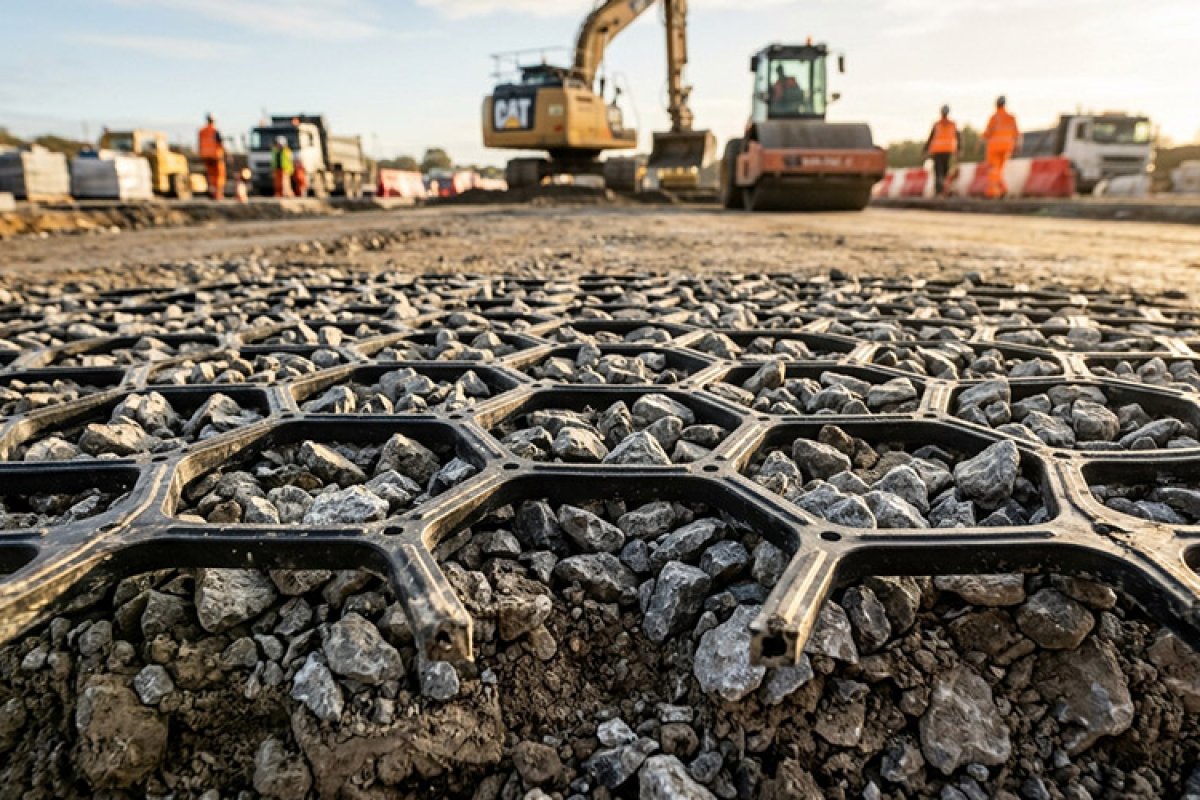
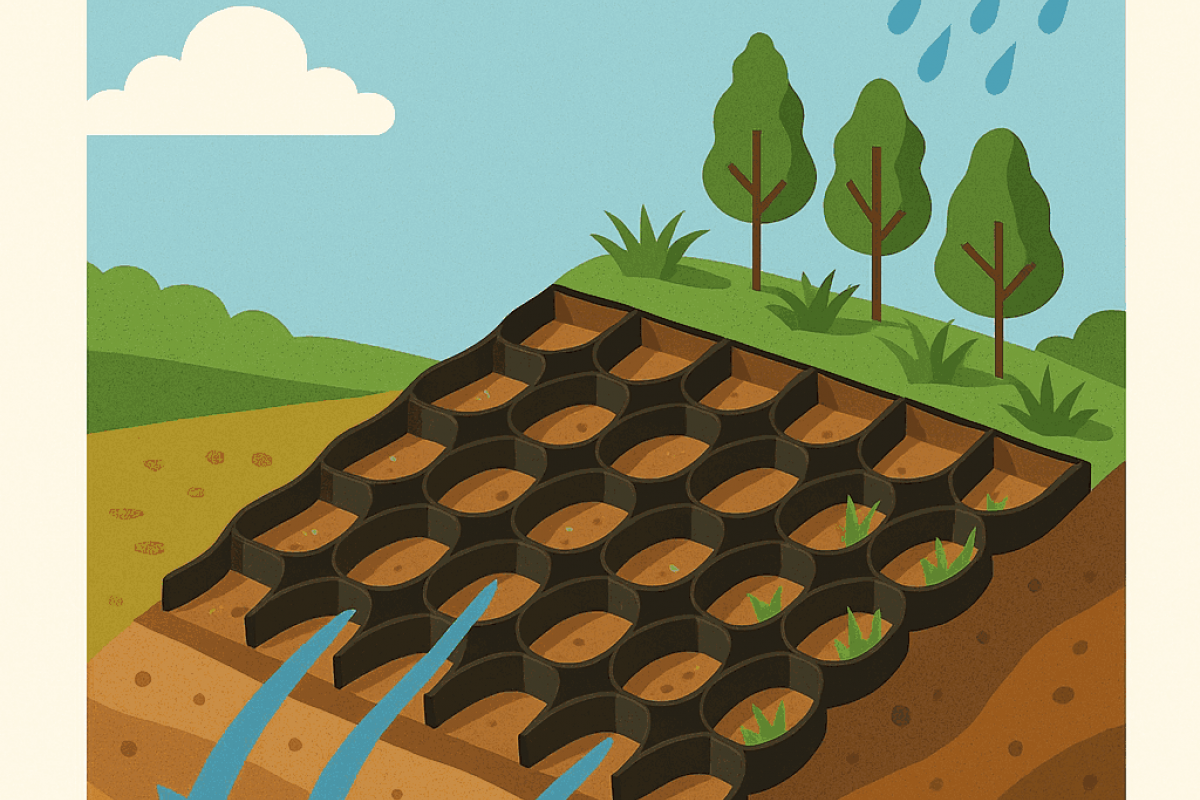
A geocell is a cellular system made of interconnected polyethylene strips. When deployed, it forms a honeycomb-like structure that is filled with infill material. The primary advantage of this system is its ability to prevent soil particles from moving freely. During rainfall, surface runoff is controlled by the geocell structure, which reduces the erosive force of water, thereby minimizing its impact.
Nature-Friendly Solution with Vegetation Integration
When geocells are filled with soil mixed with grass seed, they provide both functional and aesthetic benefits. Plant roots anchor into the soil within the cells, strengthening the system over time. This biological reinforcement is an effective natural method for erosion prevention, particularly in stream banks, road embankments, and park areas. Since geocells are permeable, they support plant growth and prevent water accumulation.
One of the Most Effective Systems for Slope Reinforcement
Sloped terrains are where erosion is most easily observed. Traditional methods here can either fall short or become extremely costly. Geocell systems enhance surface stability by preventing soil movement on slopes. The horizontal and vertical resistance provided by the cell structure is particularly advantageous on steep slopes (1:1 or steeper), offering both cost savings and faster implementation.
Resistant to Rainfall and Water Pressure
Sudden rains and surface water movement can cause severe damage on bare soil. Geocell applications slow down surface water flow and prevent soil disintegration. In water-saturated soils, placing geotextile under the cells enables controlled water drainage, also preventing sub-surface erosion.
Long-Term Protection in Engineering Projects
In engineering fields such as highways, railways, embankments, and dam slopes, geocells are preferred for structural protection and long-term stability. In such areas, geocells prevent infill material from shifting over time, resist external forces, and help the structure maintain its position. Fighting erosion is not only a surface issue — it is crucial for overall infrastructure safety.
Low Maintenance, High Efficiency
Once installed, geocell systems require minimal maintenance. Especially in vegetated areas, natural cover gradually reinforces the system, eliminating the need for human intervention. This makes geocells a sustainable solution for both public infrastructure and private landscaping projects.