

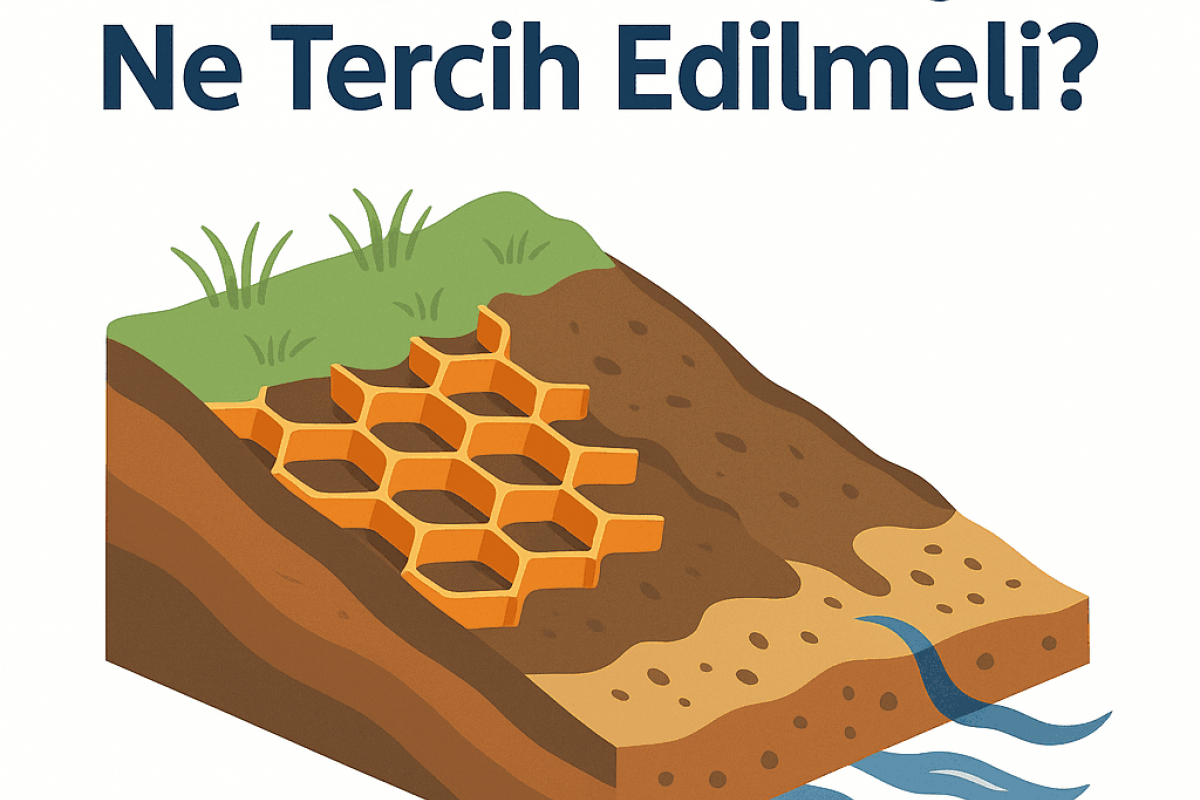
What Should Be Preferred Against Erosion?
Soil loss, land degradation, and erosion threatening structural safety are among the most significant challenges in construction and environmental engineering. Specialized surface protection products called geomats act as an effective barrier against this threat. In this article, we explore the structure of geomats, their usage areas, and their role in erosion control in detail.
As land slope increases, rainfall intensifies, or soil surfaces are left bare, the effects of erosion accelerate rapidly. This situation not only reduces soil fertility but also threatens the durability of roads, buildings, and infrastructure systems. Erosion mats, known as geomats, are three-dimensional structures developed to protect the surface without disturbing its natural composition. Their lightweight, flexible, and easy-to-apply nature ensures effective results in a short time.
Structure and Working Principle of Geomat
Geomats are typically made from UV-resistant polymer yarns or plastic meshes, forming an interwoven three-dimensional fabric. When spread over the soil surface, this structure slows down water flow, prevents soil particle movement, and gradually allows plant roots to develop. Through both mechanical retention and biological stabilization, geomats provide long-term erosion control.
Natural Protection Strengthened by Vegetation
One of the key advantages of geomats is that after seeding, grass or plant roots integrate into this structure. Over time, roots attach to the geomat fibers, serving as a natural stabilizer. This prevents surface slippage and preserves the natural landscape. This method also enhances visual appeal, especially in parks, sloped gardens, and landscaping projects.
Risk Reduction on Steep Slopes
On slopes of 1:1 or steeper, soil stability significantly deteriorates. In such areas, traditional surface protection methods may be insufficient. T-drain Geomat stays in contact with the surface, directing water flow and preventing sudden soil slips. Applications of geomats on steep slopes, roadside embankments, and dam slopes increase project safety.
Protection Without Disrupting Natural Drainage
Many protective systems block water permeability, causing drainage problems. However, geomats are permeable, allowing surface water to naturally flow downward. This prevents water accumulation and maintains soil moisture, supporting plant life.
Types of Geomats and Their Usage Areas
Geomats are generally classified into three types:
-
EM1 type: Suitable for gently sloped areas, provides basic seed retention.
-
EM2 type: Preferred in medium-sloped regions, effectively stabilizes soil and grass roots.
-
EM3 type: Offers maximum protection in steep and highly erosion-prone areas.
These products are widely used in highways, railways, riverbanks, irrigation channels, dam slopes, recreational areas, and slope stabilization projects.
Installation and Practical Application of Geomats
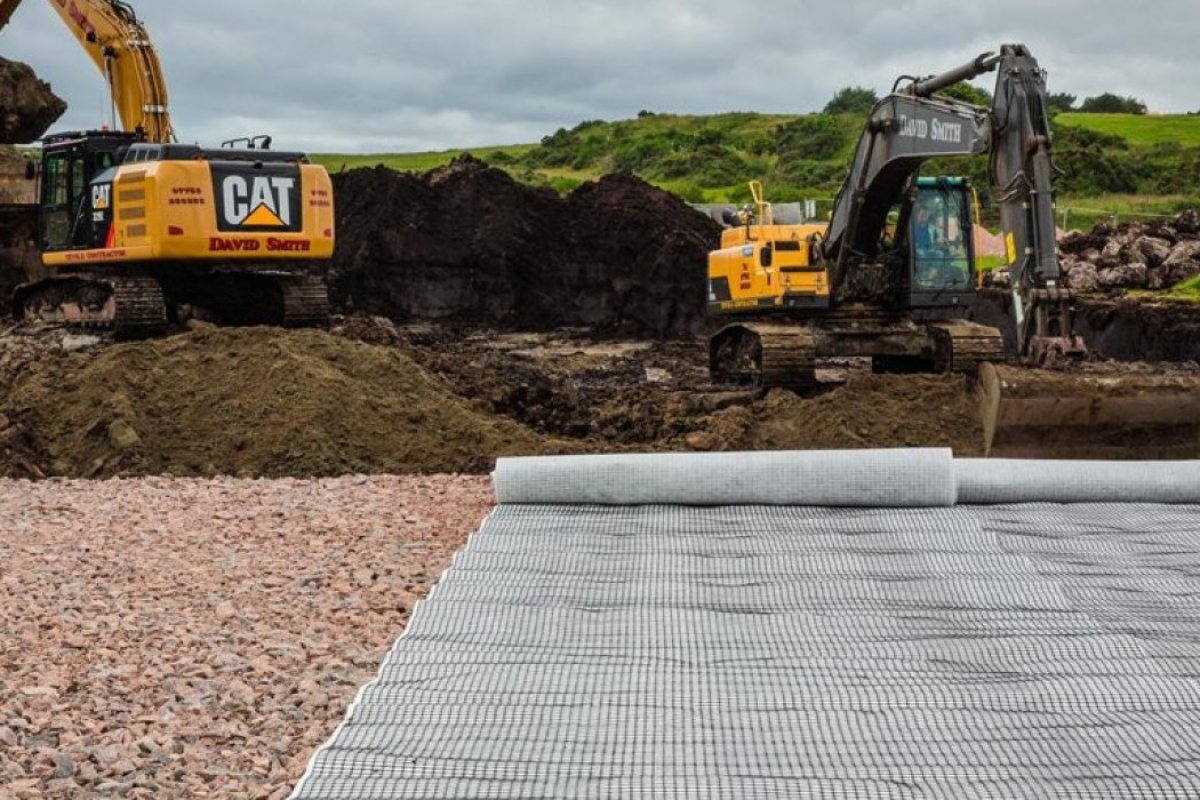
Geomats are supplied in rolls and spread over the prepared surface before being fixed in place. Surface leveling and drainage preparation should be done prior to application. Seeding may be done before or after laying the mat. Fixing is usually done with U-shaped pins. Following application, natural germination strengthens the surface over time.
Eco-Friendly, Effective, and Durable Surface Protection Method
Compared to traditional surface protection materials, geomats offer more environmentally friendly, economical, and sustainable solutions. Supporting natural vegetation, requiring minimal maintenance, and allowing flexible application, they are a reliable choice for all types of erosion control projects.